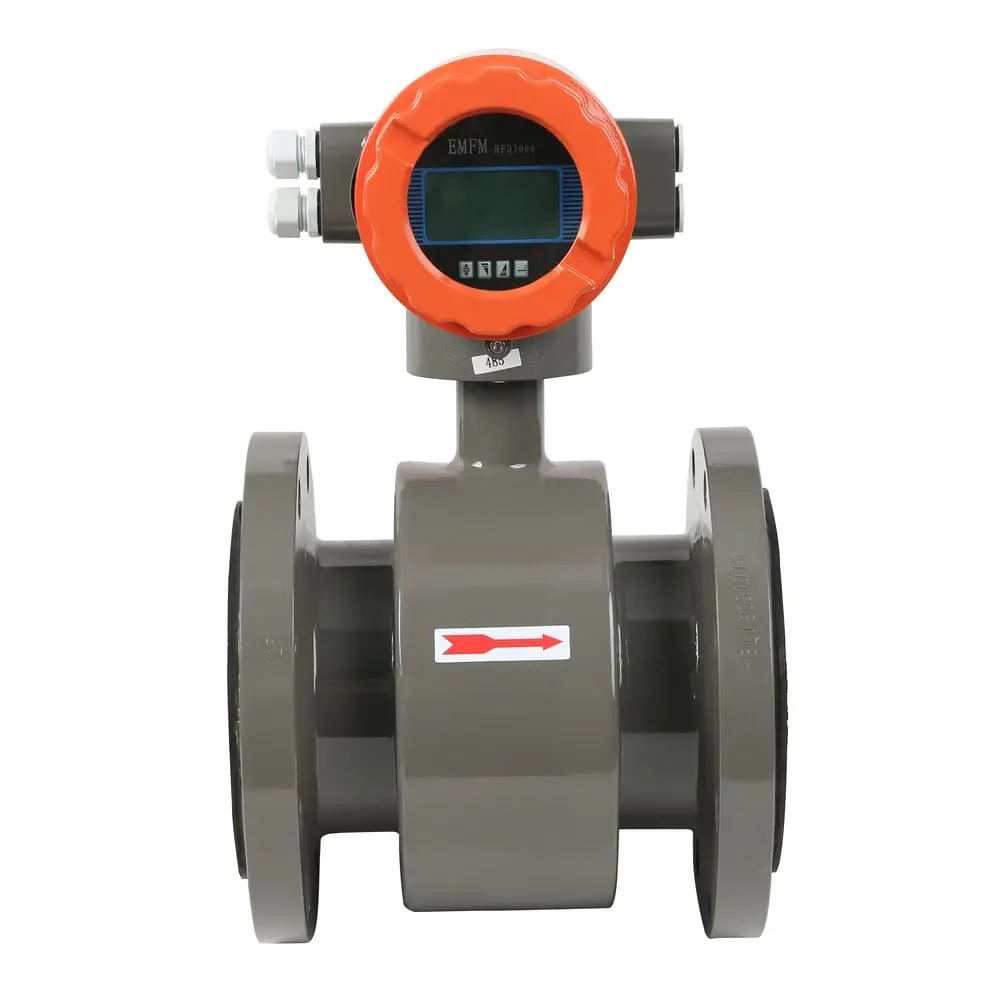
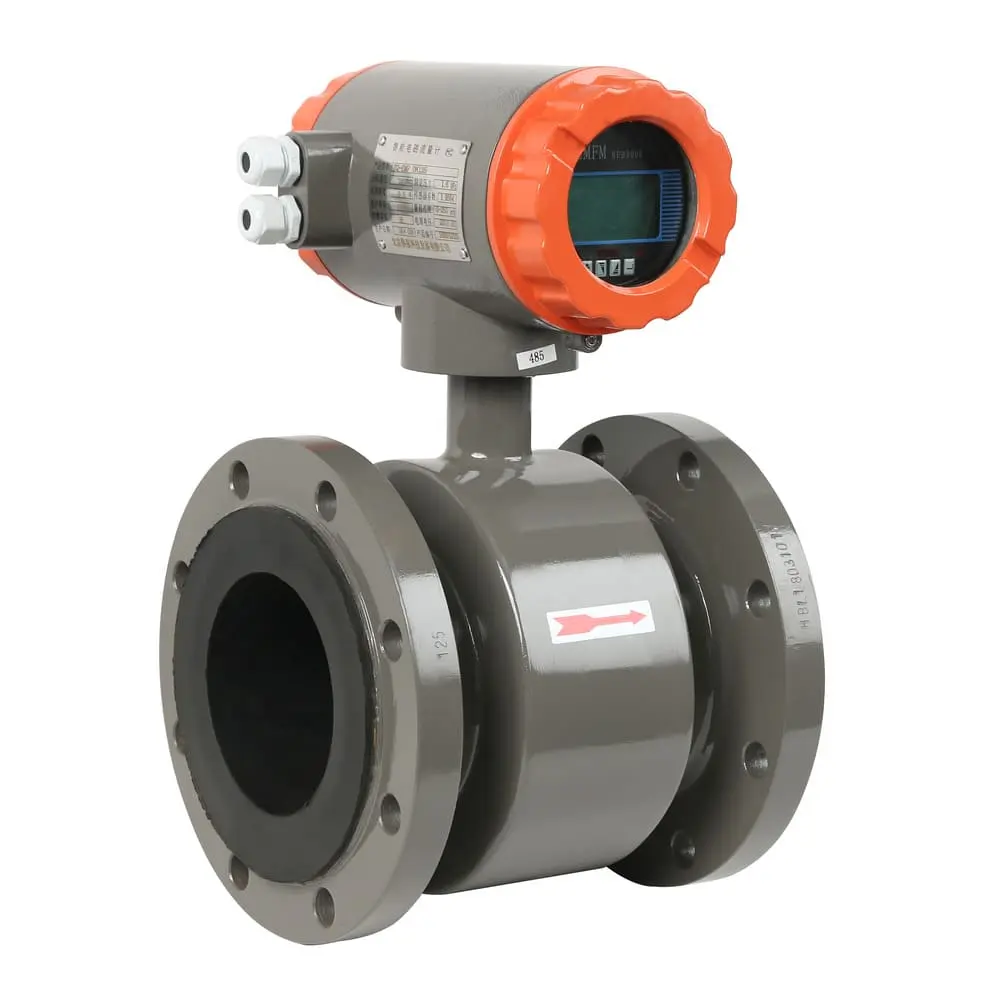
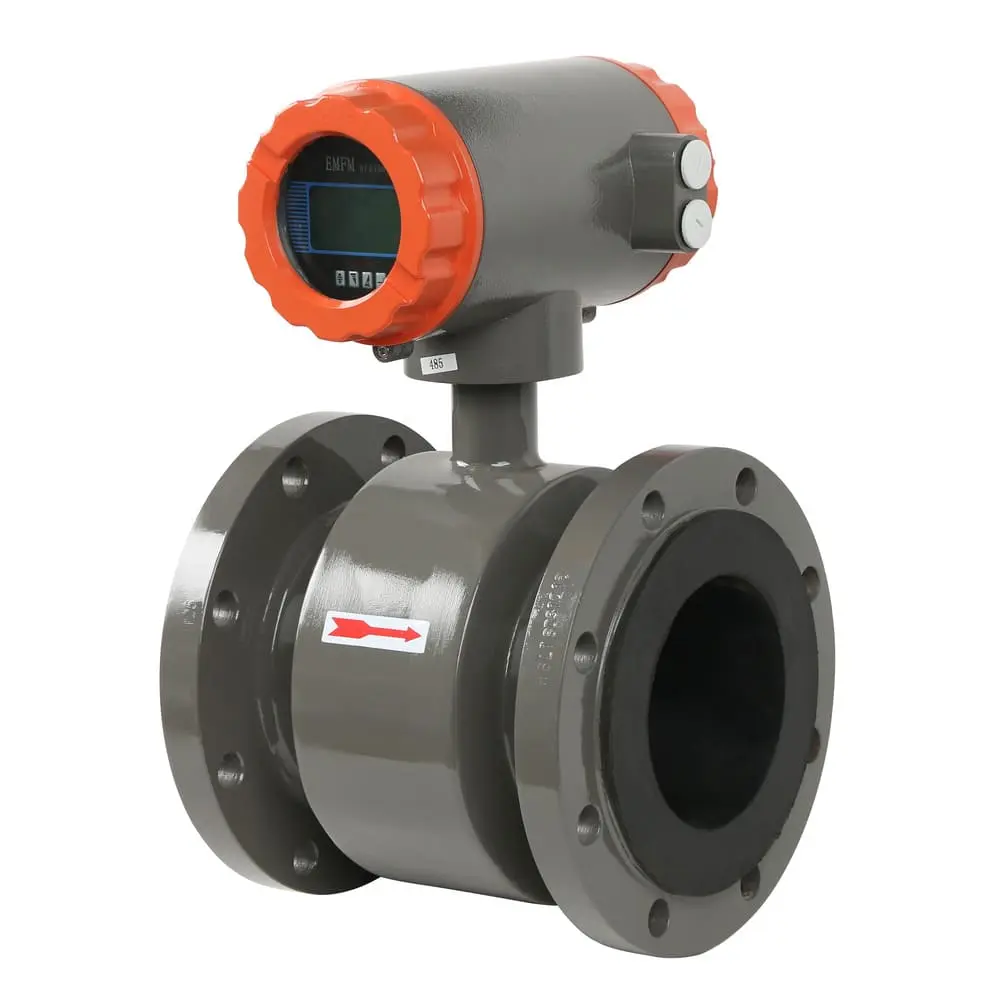
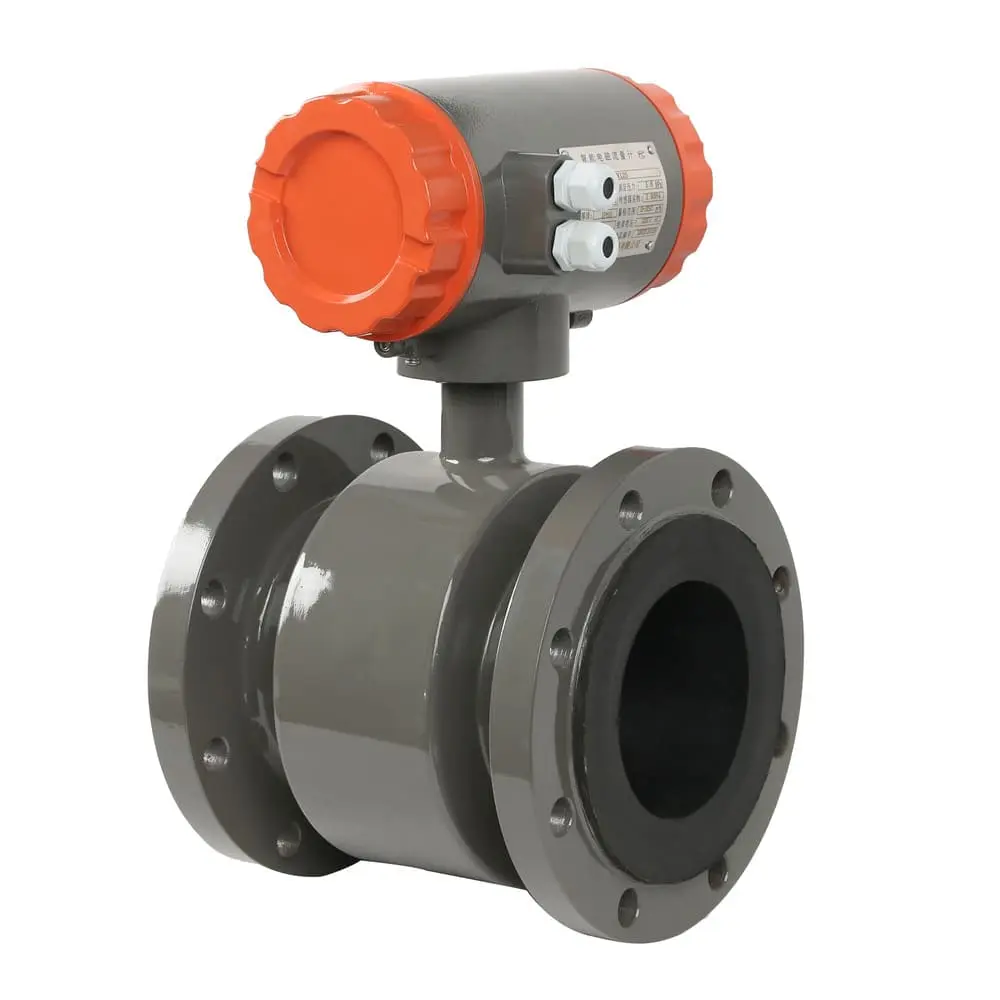
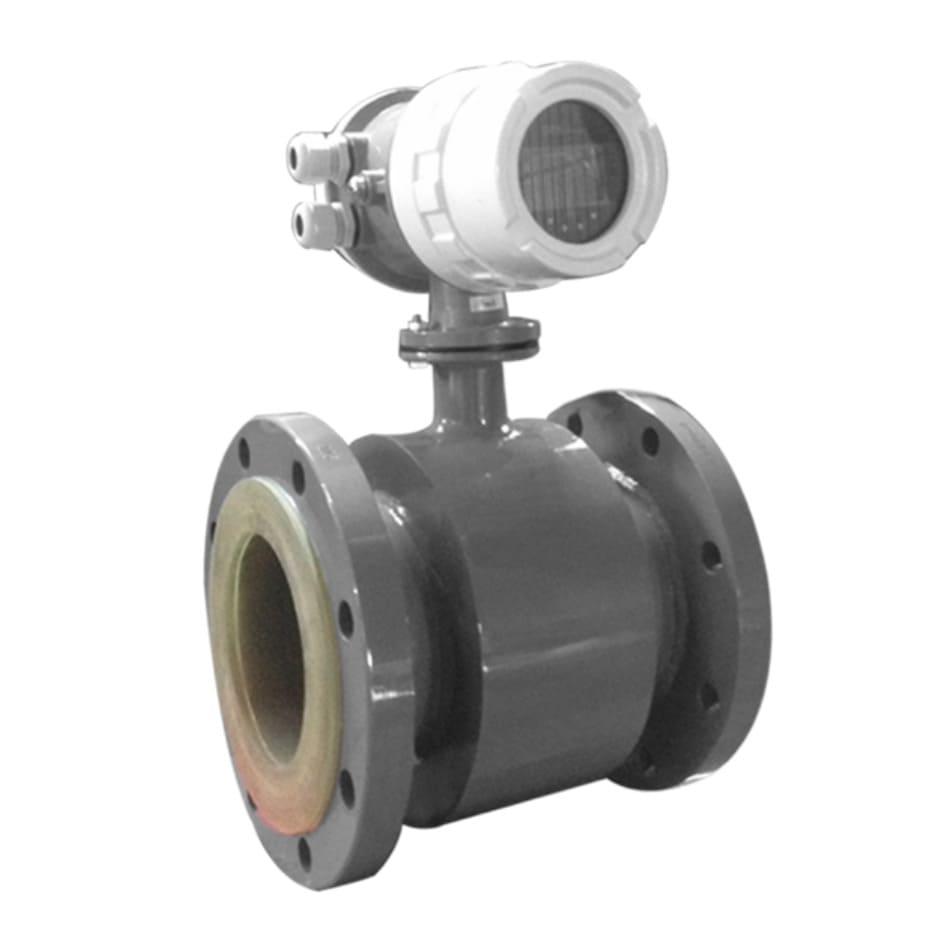
Slurry-Type Electromagnetic Flowmeters
Engineered for high-concentration liquid-solid two-phase flow—this flowmeter applies high-frequency or dual-frequency excitation technology to measure pulp, mud, slurry, and coal water slurry with unmatched stability. Unlike conventional electromagnetic flowmeters that fail in abrasive media, it handles slurry concentrations up to 60% (mass ratio up to 40%) while maintaining accurate measurement through advanced signal processing that eliminates slurry noise interference—no moving parts, no obstruction, continuous operation in the harshest mining and mineral processing applications.
- Slurry Concentration: 5% – 60% (mass ratio up to 40%)
- Pipe Size: DN15 – DN3000
- Flow Accuracy: ±0.5% of reading
- Velocity Range: 0.1 – 15 m/s
- Temperature: -20°C to +60°C
- Liner: Polyurethane (abrasion-resistant)
Request QuotationTechnical Consultation
Engineered for Abrasive Media Conventional Flowmeters Cannot Survive
- Stable measurement regardless of solids concentration fluctuations
- Extended service life in the most abrasive slurry applications
- Continuous operation without downtime for cleaning or unclogging
- Consistent accuracy independent of slurry composition changes
- Direct measurement in process streams—no sample conditioning required
- Single meter design covers broad concentration range—reduces inventory
Parameter | Specification |
|---|---|
Measurement Principle | Electromagnetic (Faraday's Law) with high-frequency/dual-frequency excitation |
Pipe Size Range | DN15 – DN3000 (custom sizes available) |
Flow Accuracy | ±0.5% of reading (±0.3% optional for critical applications) |
Repeatability | ±0.2% of reading |
Slurry Concentration | 5% – 60% by volume (mass ratio up to 40%) |
Velocity Range | 0.1 – 15 m/s |
Fluid Temperature | 20°C to +60°C (standard) |
Ambient Temperature | -25°C to +60°C |
Pressure Rating | 1.6 MPa (standard) | Higher pressure available |
Conductivity Requirement | ≥ 5 μS/cm (suitable for most slurries) |
Power Supply | 85-250V AC (45-63Hz) or 20-36V DC |
Output Signals | 4-20mA, Pulse (1-10,000Hz), Frequency, RS485, etc |
Communication Protocols | Modbus RTU (standard) | HART, Profibus DP (optional) |
Display | Large backlit LCD: flow, velocity, totals, concentration indication |
Excitation Mode | High-frequency / Dual-frequency selectable |
Diagnostics | Empty pipe detection, electrode fouling alarm, excitation monitoring |
Explosion-Proof | SIL-3 Certification |
Quality Standards | CE Certification |
Liner & Electrode Material Selection Guide
Choose materials precisely matched to your fluid chemistry for maximum service life
Materials Engineered for Slurry Service
Specialized materials resist abrasion and erosion in liquid-solid two-phase flow
Liner Materials Table:
Lining Material | Abrasion Resistance | Best Applications |
|---|---|---|
Polyurethane | Excellent impact & abrasion resistance | Coal slurry, mineral slurries, sand transport, tailings, ore pulp, high-solids wastewater |
Natural Rubber | Good flexibility, moderate abrasion resistance | Low-concentration pulp, food slurries, wastewater sludge, non-aggressive particulates |
PTFE (F4) | Chemical resistance, moderate abrasion | Corrosive slurries with fine particles, acid/alkali slurries, chemical process streams |
Electrode Materials Table:
Electrode Material | Erosion Resistance | Typical Applications |
|---|---|---|
Stainless Steel + Tungsten Carbide Coating | Superior erosion resistance | Coal water slurry, mineral ore transport, mining tailings, high-velocity abrasive flows |
Hastelloy C + Carbide Coating | Erosion + corrosion resistance | Corrosive slurries in chemical processing, acidic mineral slurries |
316L Stainless Steel | Moderate erosion resistance | Low-abrasion pulp, food slurries, municipal sludge, wastewater applications |
Protection Class Section:
- IP65: Dust-tight, protected against water jets—suitable for general industrial environments
- IP68: Dust-tight, continuous submersion—suitable for underground slurry pipelines, wet environments, up to 3 meters depth
Proven Performance in Demanding Slurry Applications
Trusted by mining, mineral processing, and pulp & paper industries worldwide
Mining & Mineral Processing
- Coal washery slurry measurement
- Ore beneficiation circuit flow
- Tailings transport pipelines
- Cyclone feed and overflow
- Flotation cell discharge
- Thickener underflow
Pulp & Paper Industry
- Stock flow to paper machine
- Pulp consistency measurement
- White water circulation
- Black liquor flow control
- Fiber slurry transport
- Coating preparation flow
Chemical & Process
- Catalyst slurry metering
- Pigment and dye slurries
- Chemical precipitate flow
- Crystallizer discharge
- Filter press feed
- Reactor slurry circulation
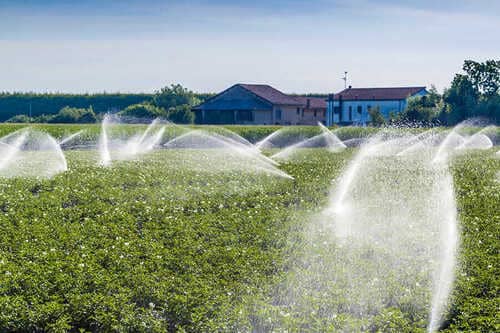
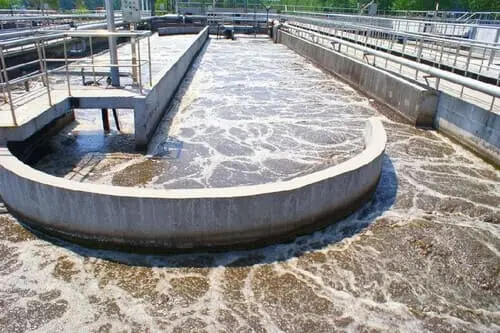
Wastewater & Environmental
- Activated sludge flow
- Digester feed and return
- Thickened sludge transfer
- Grit slurry transport
- Industrial effluent with solids
- Dredging operations

Proper installation ensures long service life and measurement accuracy
Critical Installation Requirements
1. Pipe Orientation
Install on horizontal or vertical upward-flowing pipe sections to prevent solids settlement. For horizontal pipes, position electrodes on horizontal centerline (3 and 9 o’clock) to avoid electrode coating by settled solids.
2. Straight Pipe Requirements
- Upstream: 5D minimum (10D preferred for heavy slurries)
- Downstream: 2D minimum
- Where D = pipe diameter
3. Flow Direction
Arrow on sensor body must align with slurry flow direction. Reversed flow will cause negative readings and potential electrode damage.
4. Grounding
Essential for accurate measurement. Use grounding rings for non-conductive pipes. Ensure electrical continuity between slurry and sensor electronics.
5. Location Selection
- Avoid pump suction side (risk of negative pressure)
- Install on pump discharge side where slurry is fully mixed
- Avoid high points where gas can accumulate
- Accessible location for maintenance and electrode inspection
Pipe Material Considerations
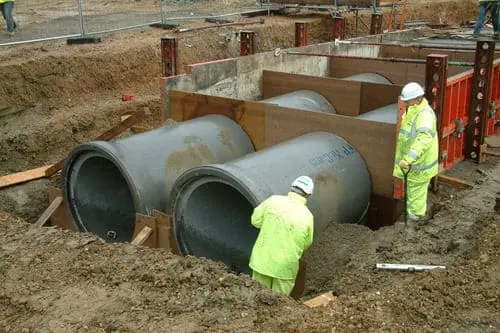
- Steel or Lined Steel Pipes: Direct flange mounting. Verify coating inside pipe does not create grounding path issues.
- Rubber-Lined or Polymer-Lined Pipes: Use grounding rings or electrodes. Consult factory for proper grounding configuration.
- Slurry-Specific Requirements: For coal slurry, install with slight upward slope (2-5°) to prevent settlement. For high-concentration mineral slurries, consider full-bore ball valves for isolation (gate valves trap solids)
Precision Flow Measurement Starts Here
Request Your Quote Now
Share your operating parameters and project needs with us. Our engineers will recommend a suitable configuration and provide a clear, fast quotation.
info@hbmeter.cc
(+86) 152-3780-0315
1 Jingsan North Road, Xiangfu District, Kaifeng, Henan 475004 China
About HBmeter
HBYB is a specialized flow instrumentation brand combining engineering depth, continuous product innovation, and practical industry experience to deliver reliable flow measurement solutions for demanding industrial applications.